
Severing Your Divorce from Corollary Relief
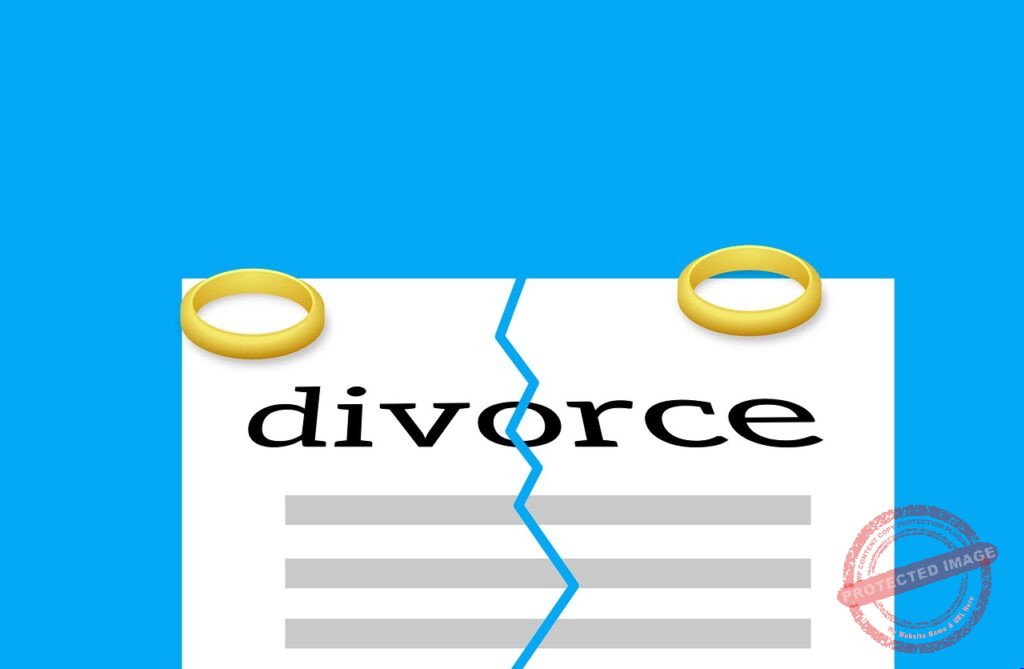
What does it mean to sever divorce from corollary relief?
As a newly separated individual, you may not want your legal status of “divorced” to be entangled with resolving other complex issues like child support, property division, or spousal support which are referred to as “corollary relief. These other issues are referred to as “corollary relief”. Fortunately, Ontario legislation allows for “severing” your divorce from these “corollary relief” matters. In other words, you will get a divorce before other issues are dealt with.
What are the relevant statutory provisions to sever the divorce?
Section 11(1)(b) of the Divorce Act states “In a divorce proceeding, it is the duty of the court to satisfy itself that reasonable arrangements have been made for the support of any children of the marriage, having regard to the applicable guidelines, and, if such arrangements have not been made, to stay the granting of the divorce until such arrangements are made”.
Rule 12(6) of the Family Law Rules, O. Reg. 114/99, states:
“(6) A party may, by motion, apply for an order declaring the marriage of the parties to be dissolved, even if there are outstanding issues of corollary relief, if the court is satisfied that,
(a) no party will be prejudiced by the granting of the order; and
(b) reasonable arrangements have been made for the support of any children of the marriage, including any arrangements required under the Spousal Support and Child Support Guidelines.”
In other words, the Family Law Rules are more explicit in stating that the court will permit a divorce claim to be severed from corollary issues if neither spouse will be disadvantaged AND reasonable arrangements have been made for the support of any children of the marriage.
What is meant by disadvantage?
In Al-Saati v Fahmi, the court held that “disadvantaged” meant a legal disadvantage that the responding party might endure if the severance is granted. For example, the loss of insurance could be a disadvantage. The weight a court puts on the loss of insurance coverage as a disadvantage will depend on the individual case.
Understanding Severance:
Severance allows you to obtain a divorce judgment (declaring the marriage officially dissolved) before resolving other outstanding issues. This can be advantageous if:
- You require a change in marital status for immigration purposes, obtaining new health insurance, or remarrying.
- Addressing other matters, like financial claims, is complex and requires significant time.
- You and your former partner agree on the finality of the marriage but need more time to negotiate other terms.
However, the court’s discretion plays a crucial role in granting severance ([Zantingh v Zantingh, 2021 ONSC 2295]). In other words, it is a discretionary decision. They must be satisfied that:
- Neither spouse will be disadvantaged by the severance (e.g., one spouse losing health insurance coverage with the divorce decree).
- Reasonable arrangements have been made for any children of the marriage, including support (as per the Spousal Support and Child Support Guidelines).
Initiating the Process:
You can request severance by including it in your initial divorce application or filing a separate motion later. In your application, clearly state your intention to sever the divorce and provide justifications for the request (e.g., urgent change in immigration status). Remember, supporting evidence for your claims strengthens your case. The onus is on the applicant to show that there will be no disadvantage to the other party. For example, if the other spouse will lose medical benefits, the Court will deny the request unless the party requesting the severance makes alternative arrangements for medical coverage. Note that the court may sever the divorce but is not obligated to do so. The Court may refuse especially if it is early in the litigation process.
Before the court considers severance, exploring alternative dispute resolution (ADR) options like mediation or arbitration is encouraged. ADR allows you and your former partner to collaboratively discuss and potentially resolve contentious issues outside of court, potentially expediting the severance process and minimizing legal costs.
If ADR fails, a court hearing will determine whether your divorce can be severed. At the hearing, be prepared to present your arguments and evidence convincingly. The judge will ultimately decide if severance is appropriate in your specific circumstances.
Does a judge have to agree to sever divorce from corollary relief if no disadvantage is shown?
In Zantingh v Zantingh (2021), the Justice Raikes made it clear that a judge can refuse even if no disadvantage or direct prejustice arises from the granting of a divorce and that the conduct of the party requesting the divorce can be taken into consideration (i.e. failure to follow court orders, failure to financial disclosure). In other words, the decision is discretionary.
Can I have the divorce severed from the corollary relief right away after separation?
Yes, you can ask to sever divorce from corollary relief. You still have to follow rules to get divorce even after it is severed.
How do you ask the court for severance?
You can make a motion to the court to get an order to sever the divorce from other corollary relief claims in this proceeding pursuant to Rule 12(5) of FLA or Section 11(1)(b) of the Divorce Act. You can also ask for a order to grant the divorce immediately with all other matters to be addressed afterward.