
Domestic Violence
What constitutes domestic abuse?
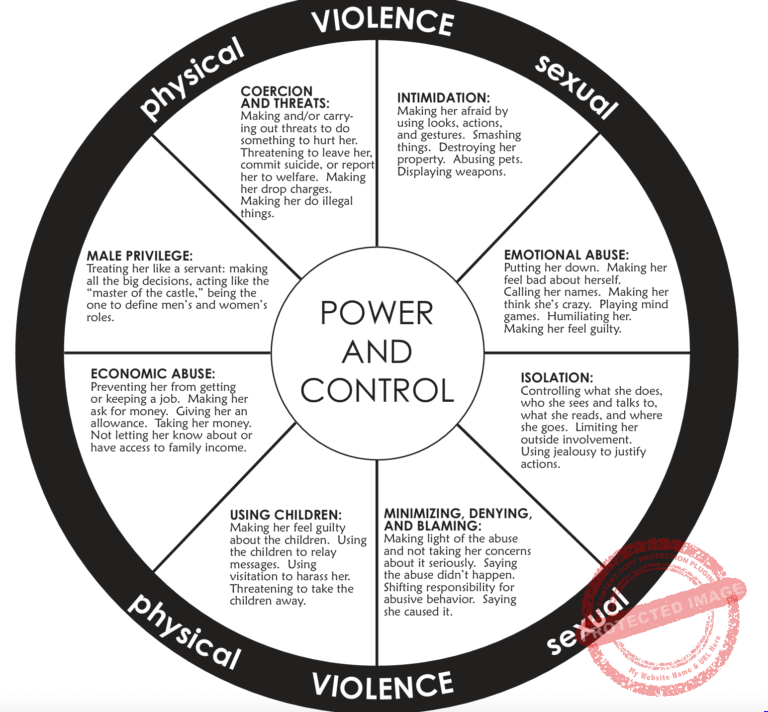
Domestic violence can take a variety of forms, including but not limited to:
- Sexual assault includes various acts of non-consensual sexual activity, such as forced kissing, groping, harassment, and instances of rape, whether attempted or completed, involving vaginal, oral, or anal penetration. at its core, sexual assault is an ascertain of power and control over another individual, depriving them of their autonomy over their body, mind, and spirit.
- Emotional and psychological abuse consists of non-physical tactics employed by the abuser to dominate, isolate, or intimidate the victim. These methods are frequently used to undermine one’s self-esteem and sense of value, fostering a psychological Reliance on the abuser. Identifying emotional and psychological abuse can be challenging, lacking the clear-cut evidence typically associated with physical abuse.
- Social abuse causes actions with the intention of separating the victim from their family, friends, or community. This behavior might include damaging their relationship or attempting to tarnish their reputation. Those engaging in social abuse may also aim to portray the victim in a negative light or undermine their credibility. Social abuse can occur in different environments, such as at home, in public, over the phone or online through social media platforms.
- Stalking/harassment is a behavior intended to make a person feel scared, and is typically seen after a person has separated from their abuser. Behavioral patterns include: repeated calling, texting, or emailing, spying on them with hidden cameras, showing up unexpectedly at their home, work, or any place they go to, sending them things they do not want, using legal ticks to stay involved in their life, threats made towards you or your family and friends, kids, and so forth.
- Technological abuse uses technology to harm another person. Some example include: Implanting a GPS tracker in their things, using home gadgets to spy or scare them, checking their phones or computers without permission, sending scary or mean messages onlines, posting bad things about them on social media, messing with their online accounts lie email or bank, or even pretending to be them online.
- Immigrant abuse is hurting those who do not have a legal Canadian status like refugees or sponsored immigrants. Abusive behavior includes threatening to send them back to their home country r threats made towards their family and kid, stopping support for their immigration, feeling the authorities about them, keeping their passports or ID, not letting them go to language classes stopping them from learning about their right, hiding or lying about their legal paper, and so forth.
- Legal bullying includes using the law such as family courts to control or scare a person. Examples include starting unnecessary court cases, taking a long time to share information, stalling time to make the person spend more money on lawyers, representing themselves in court, lying to the police, violating court rules, pushing for mediation or shared custody or making threats about self-harm, and so forth.
How does the abuse continue in post-separation abuse?
After a relationship ends, the abuse often does not stop there. Instead, the abuse takes on a different form referred to as post-separation abuse. It is a form of abuse that tends to gradually get worse and even more intense than domestic violence. The abuser may focus on the children to maintain control and to intimidate the other parent. Most common reasons may be because the abuser’s need to control, their desire to win, and their wish to harm or punish the other parent. It is important to understand that post-separation abuse not only harms the the other parent, but it has serious and long-lasting effects on children, leading to high levels of adverse childhood experiences (ACEs), which is referred to as any traumatic events that interferes with the child’s safe environment for upbringing. The latter includes events such as divorce, violence, emotional abuse, neglect, substance abuse, and so forth.
What kind of activities in a family case are not appropriate in cases of domestic violence?
Activities such as mediation, unsupervised access, and direct communication between the parties are considered inappropriate during family cases. It is recommended to use specialized apps for communication.